


Matosinhos anticipates the decarbonization of the municipality.
Matosinhos achieved its decarbonization target for 2030 in 2020. Compared to 2009, when the Municipality's Energy Matrix was developed (considered as the starting point for carbon neutrality), carbon emissions were reduced by 40.2%.
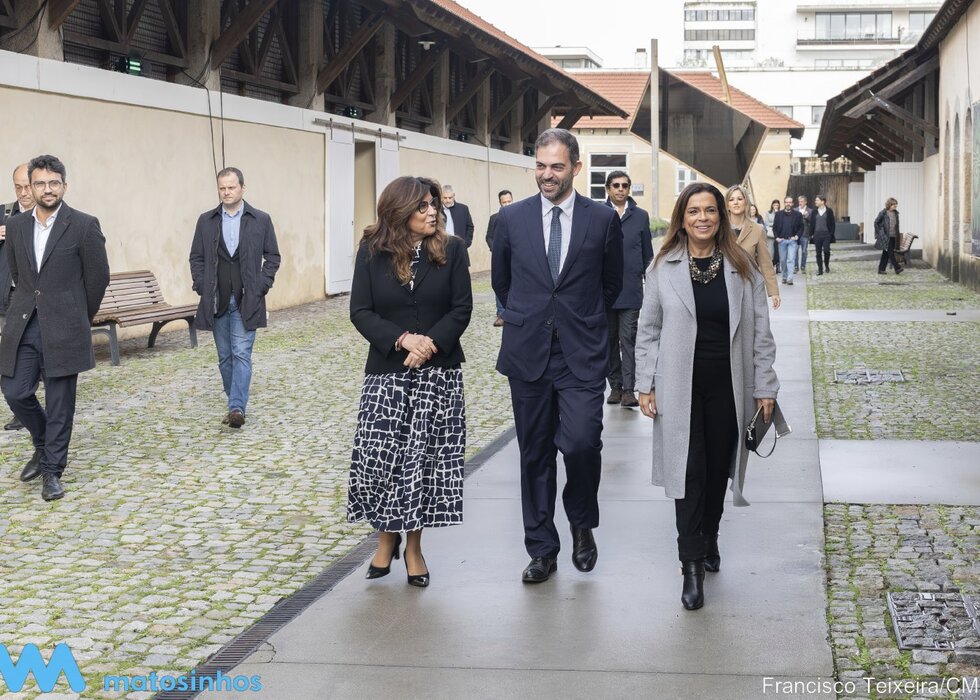
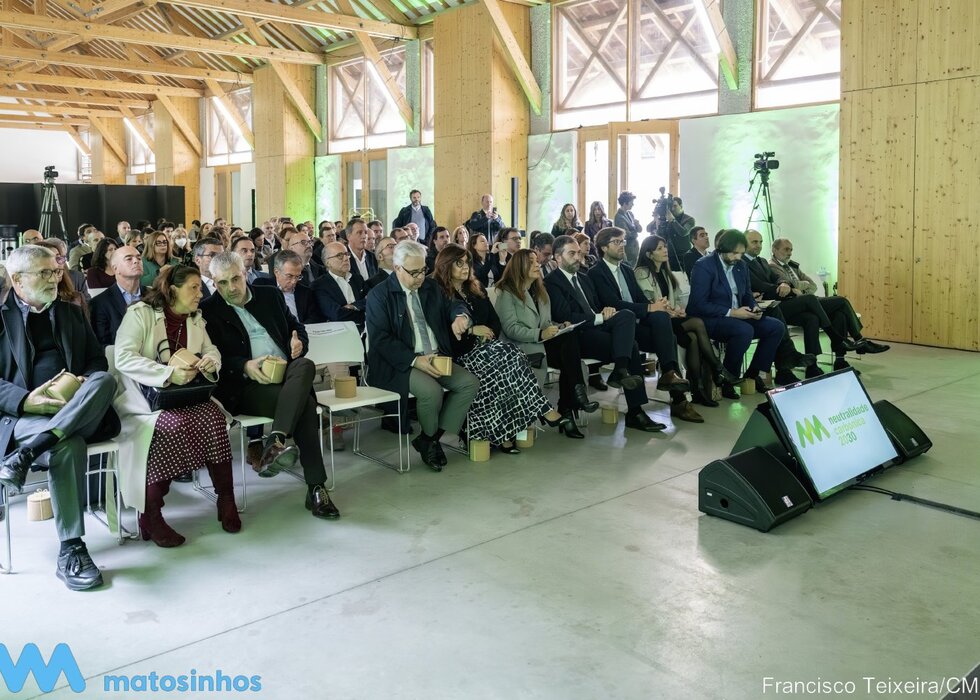
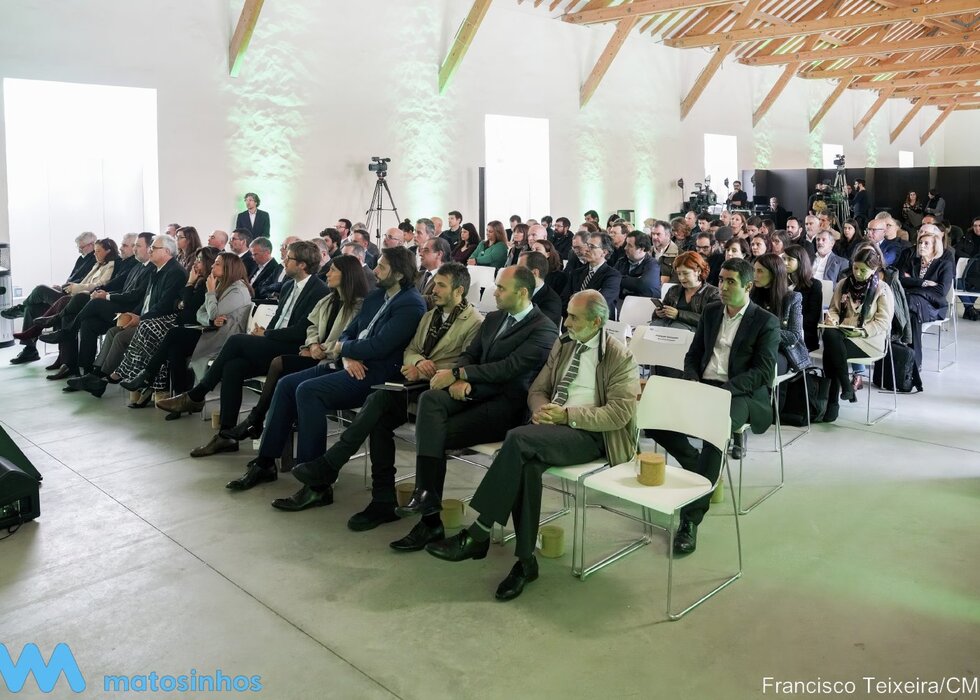
The results were presented at Casa da Arquitetura by Rui Pimenta from the Porto Energy Agency, in a session attended by the Minister of Environment and Climate Action, Duarte Cordeiro.
During the opening session, Luísa Salgueiro, the Mayor of Matosinhos, emphasized that "climate change does not ask for permission to change our lives," referring to forest fires, severe drought periods, and rising sea levels.
Energy rehabilitation of municipal buildings, housing complexes, and public lighting, electrification of the municipal fleet, installation of electric charging stations, counseling on incentives for building rehabilitation and renewable energy production, promotion of electric mobility, and encouragement of public transportation are just some of the measures implemented or in progress.
Building on the work already done, the municipality has set a goal to reduce carbon emissions by 85% by 2030, thus anticipating the decarbonization target set for 2050.
New measures will be implemented in the areas of energy, transportation, industry, waste, and land use, including incentives for research and innovation for sustainability in the industry, promotion of a low-carbon industrial economy, land use management, promotion of sustainable transportation, awareness-raising for recycling and waste reduction, among many others.
The Minister of Environment recalled that Portugal's commitment to achieve carbon neutrality by 2050 "seemed like a very ambitious goal, but in reality, it is achievable, as seen by Matosinhos' example." Duarte Cordeiro praised the collective effort, applauding the work of municipalities in this area, even in difficult times due to the pandemic, the war in Ukraine, and rising inflation.
A roundtable discussion followed, focused on the theme "The Sustainable Future of Matosinhos," moderated by Manuela Álvares, the Councilor for Environment and Energy Transition, with the participation of Pedro Norton, CEO of Finerge, Mariana Silva, Director of Sustainability at Sonae MC, Nuno Oliveira, Administrator of Soltráfego, Rui Felizardo from Ceiia, Rui Ferreira, Executive Administrator of Super Bock Group, and Gonçalo Guerra, Executive Director for Support Units at Porto Business School.